
The Story of DumbDumbDelight: Sincerity Over Perfection
A heartfelt story about how one “useless” gift changed the way we understand meaningful gi...

“To give is to be happy.”
My teacher wrote this sentence on the blackboard back in elementary school. I nodded at the time, but I didn’t really understand it.
Back then, I had hardly ever given anyone a gift. To me, a gift was just that piece of chocolate at the foot of my bed on Christmas Eve.
My family wasn’t wealthy; my parents would save wherever they could. Yet, no child ever missed out on a Christmas present. The best gift I ever received was a brand-new toy car, wrapped in shiny paper. I still remember the sense of satisfaction when I tore it open.
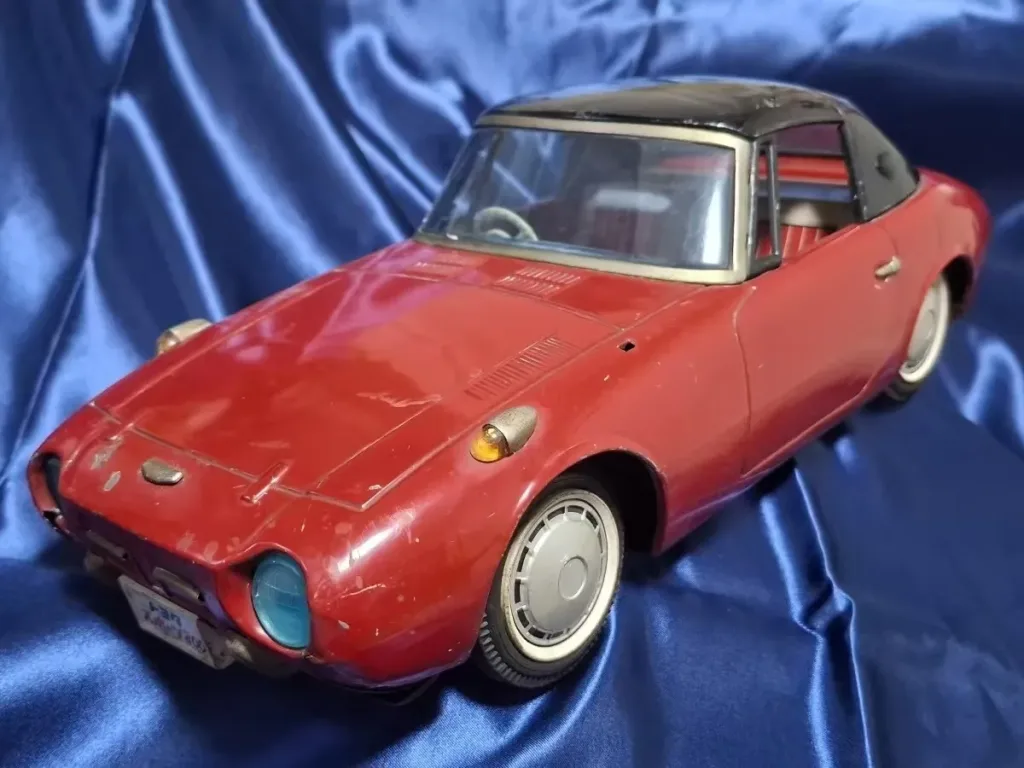

(Of course, it’s all worn out now.)
I once asked my parents,
“Do you actually feel happy when you give gifts?”
They said, of course, and smiled at me warmly. But at that age, I didn’t understand where that “happiness” came from.
Later, by chance, I became friends with someone from a well-off family. Every holiday, his parents would hand him a fashion magazine. He’d flip casually to any page, and whatever appeared on that page would become his gift.
A watch, clothing, luxury perfume… any random item, and each one was worth more than all the gifts I had ever received combined. By the time we were in elementary school, he had already “owned” a car—though he wouldn’t get the keys until he grew up.
I envied him. Yet one day, he quietly told me:
He wasn’t happy.
He said those gifts came too easily, too indiscriminately. He didn’t even need to truly want anything—he could just point, and it would appear. He couldn’t tell whether his parents were trying to express love or merely fulfilling some habitual obligation.
Of course, I never had the chance to ask his parents whether giving those gifts made them happy. Yet, his casual expression didn’t seem like a mask.
When I think back, though, to the warm smiles on my parents’ faces every time we unwrapped a gift, it felt undeniably real.
So, is giving truly a source of happiness?
Since then, I’ve been pondering this question, trying to understand the answer.
To this day, I’ve lost count of how many gifts I’ve given. Some went to my parents, siblings, or partner; others to bosses, colleagues, and friends.
In the beginning, I was completely lost—I would just scroll through Amazon’s Best Sellers list and pick gifts based on popularity and luck. But over time, after a long period of trial and error, I learned how to choose meaningful gifts that hit exactly the right spot in someone’s heart.
The reactions of those receiving the gifts also changed. From polite smiles and a quick “thank you” at first, to genuine surprise, delight, and even a fleeting tear in the eye.
I wouldn’t claim to be an expert in gift-giving. But after all this experience, I feel like I can finally answer a question that has puzzled me since childhood:
Why is giving so joyful?
It’s obvious that the recipient usually feels happy. But did you know that the giver often experiences an even greater sense of fulfillment?
I don’t want to quote neuroscience or psychology to say things like:
“…both giving and receiving gifts activate the brain’s reward centers related to pleasure…”
“…studies in psychology and neuroscience show that giving gifts is a profoundly beneficial act, bringing happiness to both giver and receiver…”
(Though I do believe it’s true.)
I’d rather borrow the words of artists. Pablo Picasso once said:
“The meaning of life is to find your gift. The purpose of life is to give it away.”
When I first met my girlfriend in college, I wanted to give her a gift but couldn’t decide what.
At the time, I was learning guitar, so I rented a recording studio near campus, spent a few afternoons recording several songs onto a CD, and—using my terrible Photoshop skills—made an album cover and tracklist.
On Christmas, I gave it to her, thoughtfully including a copy that could be played directly on her phone (because, let’s be honest, who carries a CD player these days?).
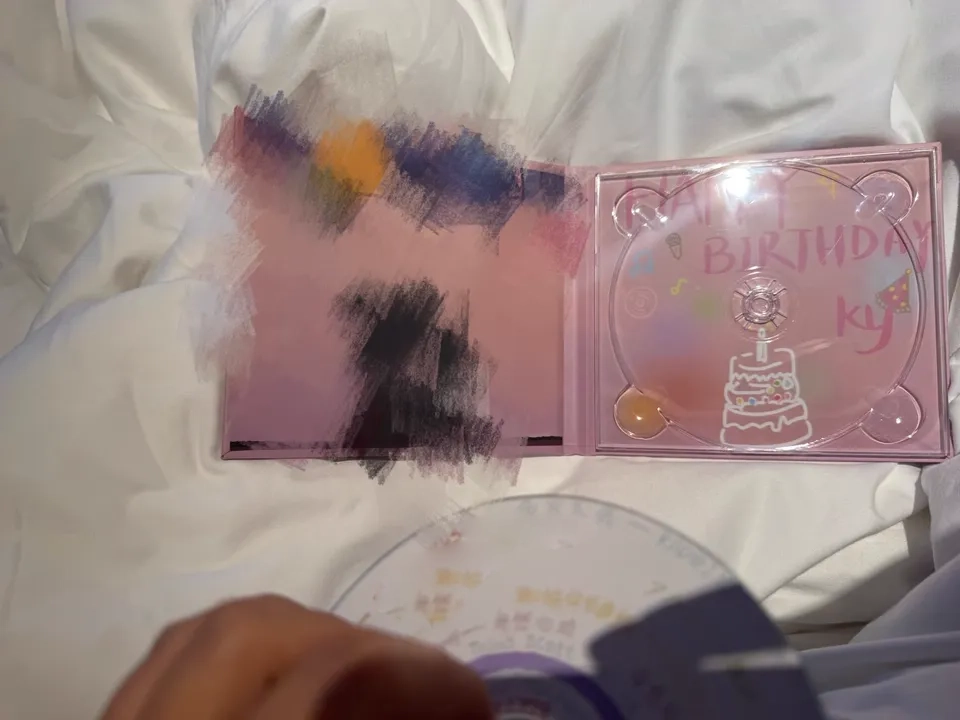

In that moment, I also felt a renewed determination to continue learning guitar.
I was lucky to give a perfect gift early on in my relationship. But inspiration doesn’t always strike so easily. You could, of course, choose gifts based on your own tastes and interests, but then you’d be hoping for the same kind of luck I had.
Often, reality is trickier: you love punk music, but your friend knows nothing about it. Or they care deeply about fashion, while your wardrobe is basically a collection of plain shirts and T-shirts.
Finding a gift that genuinely resonates becomes much harder in these cases. But once you find that rare, unique gift? Trust me, the connection it creates is stronger and more special than most others.
A few days ago, while tidying up, I found a postcard on my bookshelf.
It was blank, depicting an unremarkable street in Berlin. Nothing special at first glance—but it made me stop and stare for a long while, lost in memories.

At the time, I was about to graduate and interning in a different city. Life was hard—I had to manage graduation logistics while navigating the anxiety of being in a new city. One rainy day after work, as usual, I didn’t have an umbrella. Taking a taxi wasn’t really an option for an intern.
A fellow intern noticed me and offered to share her umbrella. On the way to the subway, we chatted, and somehow the conversation turned to favorite cities. I mentioned I loved Berlin and hoped to live there one day. Coincidentally, she had spent three years there as a student.
We became good friends—weekend pizza, evening walks, venting about work. That friendship helped me feel less alone in a strange city.
Before the internship ended, she packed her things and handed me a postcard:
“When you finally make it to Berlin, send me this postcard.”
It’s the same one I hold now—blank, unsigned, yet carrying a shared memory that I’ll never forget.
Alright—finally, we’ve come to this part:
How do you actually find that unique, perfect gift?
Open any gift guide and it’ll probably tell you what kinds of gifts are trending right now.
You’ll see stats like:
“Research shows that 63% of Brits buy entertainment-related gifts such as CDs or DVDs, 57% buy clothing, and 47% choose food or drink…”
But honestly, choosing gifts based on this kind of data is just as risky as picking something at random from Amazon’s Best Sellers list.
(Yes, I’m mentioning that list again—but I swear, I hold no grudge against it.)
If what you’re looking for is a “lazy gift pack” or a pre-made shopping list you can copy without thinking, I’d suggest giving up now. Because the moment you decide to give someone a gift, you should remind yourself:
That person is not a statistic. They’re a unique individual—with their own thoughts, feelings, and soul.
Gift-giving should be a bridge that connects two people, not just another task to check off a list.
Here are a few ways to give more thoughtfully:
Sounds simple. In reality, it’s all in the details.
·The way they once casually mentioned loving mint soda.
·The shelf they lingered at the longest in a store.
·The weird stickers or cool objects they collect.
·The tiny “aww” they make every time they see a cat.
All of these are clues.
If that person means something to you, I genuinely suggest this:
Open your phone, and secretly make a note just for them. Every time you notice something, write it down. You’ll be amazed how useful this “secret observation list” can be.
Of course, having shared interests makes things easier—that’s a gift-giving shortcut from the gods.
But remember: the heart of a gift is never the object itself.
It’s the message behind it—I see you. I get you.
There’s a saying:
“When giving a gift, you either spend money or you spend time.”
And honestly, time is usually worth more.
Think back to our student days—when we were broke but somehow managed to give the most heartfelt gifts. That lack of money forced us to be creative, observant, and thoughtful.
Then, one day, when we finally had the means to buy expensive things—we somehow forgot what to give.
Because money can move fast. The heart can’t always keep up.
Even if someone has already compiled “100 of the Most Unique Gift Ideas” (and yes, that website really exists—I’ll share it later), finding the one that truly fits someone is still a test of your attention and care.
Whether a gift feels sincere or perfunctory—it’s all hidden in those few extra moments you spend choosing it.
Gifts can absolutely express love.
But only if you’re willing to pause for a moment, and really think about the person you’re giving them to.
Giving a gift isn’t just about completing a ritual—it’s about creating a shared memory.
And it’s really not that hard. Even the simplest gift can become special if you add a little piece of yourself to it.
Write a card. A note. A single sentence.
“Saw this and thought of you.”
“Hope this week feels a little lighter.”
“You said you needed a change of mood—so I found this.”
It doesn’t need flowery words. Sincerity is more than enough.
When—and how—you give the gift matters, too.
Is it in the morning before they head out? Or at the end of a long, exhausting day? You get to decide. There are always moments that belong only to the two of you.
You don’t need to force a surprise. But if you can add a touch of creativity—something that makes the moment feel uniquely yours—that memory might just become one of the most precious ones you’ll share in this long life.
Gift-giving is something we learn over time.
Don’t expect to become a master overnight after reading this post.
But next time you prepare a gift—if you can take a moment to see things from the other person’s point of view, spend just a little more time choosing, and add a spark of your own creativity—you’ll already be one step closer.
To give you a bit of inspiration, we opened our own little shop — Dumb Dumb Delight.
We handpick the most special, aesthetic, and imaginative gifts from around the world, hoping to help you find that one surprise that makes someone’s eyes light up.
Of course, that’s just the first step.
The real magic lies in you: how you choose the gift, how you give it, and how you make the moment count.
We hope you’ll find here the perfect gift that belongs to both of you.
More from Tony Stubblebine and The Medium Blog